When you’re in your 20s or 30s, "wealth creation" can feel like a concept reserved for high-flyers or people much later in life. Between paying rent, saving for a home deposit, and managing everyday living costs, the idea of building a significant investment portfolio might seem out of reach.
But here is the best-kept secret in finance:
you don't need a lot of money to start building serious wealth. You just need time.
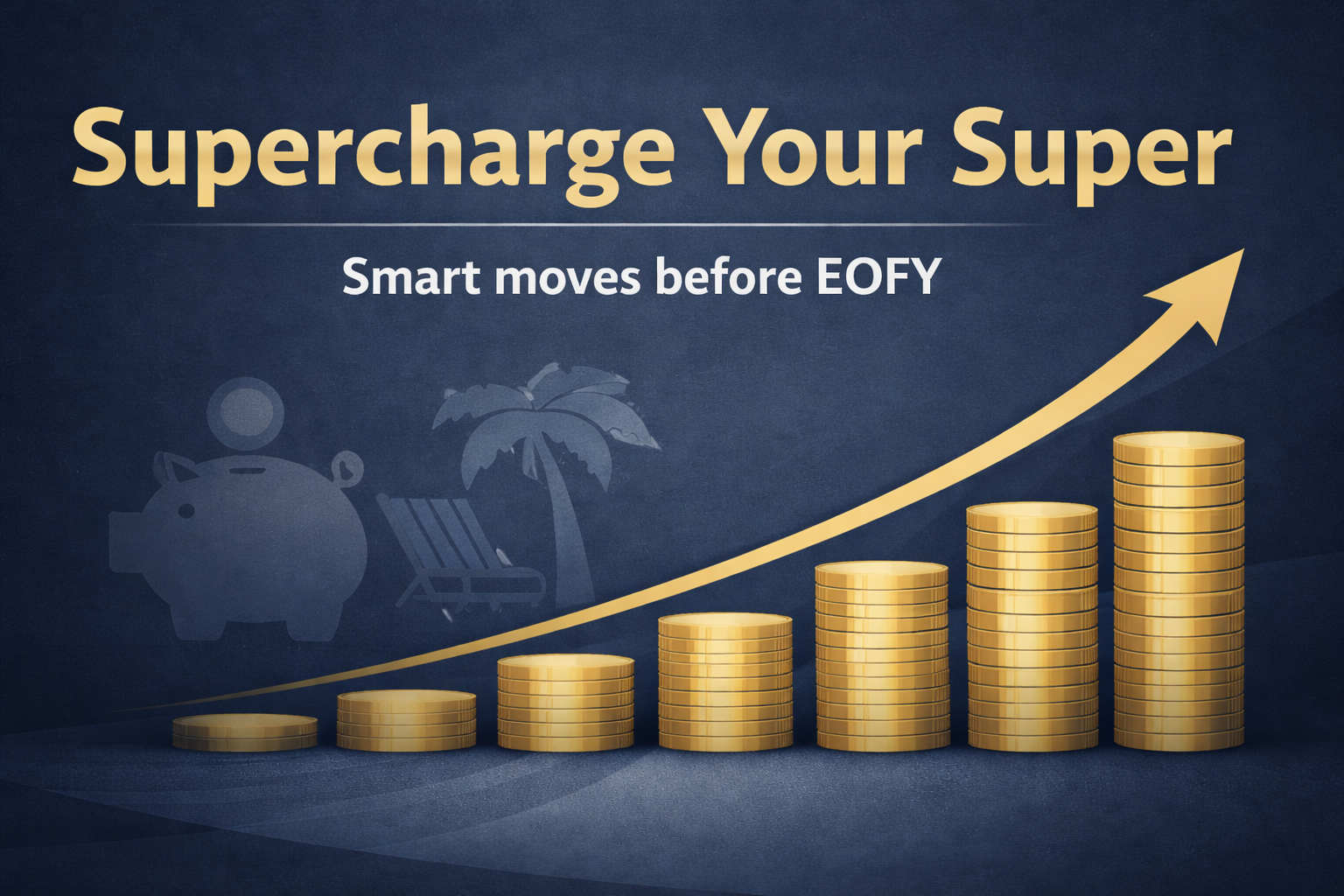
Thanks to a mathematical phenomenon known as computing interest, starting early with just small, regular amounts can set you up for a level of financial freedom that is incredibly difficult to catch up on later in life.
Here is how compounding works outside of your super, and how you can harness it to fund your life goals today.
What is Compound Interest (and why should you care?)
You might have heard Albert Einstein’s famous quote calling compound interest the "eighth wonder of the world." But what actually is it?
In simple terms, compounding is
earning interest on your interest.
When you invest money, it generates returns. If you leave those returns invested rather than spending them, your investment balance grows. The next time you earn a return, you earn it on your original money plus the returns you already made.
It starts as a trickle, but over time, it turns into a roaring waterfall. Your money begins doing the heavy lifting for you.
The "$50-a-Week Challenge"
To see the magic of compounding in action, let’s look at what happens if you commit to investing just $50 a week (about the cost of a couple of takeaway lunches or a streaming subscription or two) into a diversified share or ETF (Exchange Traded Fund) portfolio.
Assuming an average long-term return of 8% per annum (compounded monthly), watch how your money grows over time:
- After 5 Years: You will have contributed $13,000, but your portfolio will be worth
$15,970 (earning you ~$2,970 in compounding magic).
- After 10 Years: You have contributed $26,000, and your portfolio is now worth
$39,790 (earning you ~$13,790).
- After 20 Years: You have contributed $52,000, and your portfolio has swollen to
$128,280—meaning
more than half of your wealth was generated entirely by compound growth, not your pay packet!
- After 30 Years: Your total contributions are $78,000, but your nest egg is worth a massive
$325,100!
Note: This is a simplified calculation for illustrative purposes and does not account for taxes or inflation, but it perfectly highlights the exponential nature of compounding.
The Cost of Delay: Why "Later" is Expensive
The most important ingredient in the compounding recipe isn't the amount of money you invest—it's time.
If you delay starting your investment journey by just five years, the difference to your long-term wealth is staggering.
Imagine two friends, Sarah and Tom:
- Sarah starts investing $200 a month at age 20. She stops contributing completely at age 30 (investing a total of $24,000) and lets the portfolio compound untouched until she is 50. At age 50, her portfolio is worth $180,266.
- Tom waits until he is 30 to start. He invests $200 a month every single month for 20 years until he turns 50 (investing a total of $48,000). At age 50, his portfolio is worth $117,804.
Even though Tom invested twice as much money as Sarah, because Sarah gave her money an extra 10 years to compound early on, she ends up with over $62,000 more at age 50.
Three Ways to Start Your Wealth Journey Today
If you’re ready to put the power of compound interest to work for your own goals (like a home deposit, travel, or financial flexibility), here is how to take action:
1. Start Where You Are (No matter how small)
Don't wait until you have "enough" money. With modern micro-investing apps and low-cost ETF platforms, you can start investing with as little as $5 or $10. The habit of regular investing is far more important than the starting amount.
2. Automate Your Wealth
The easiest way to save is to take the decision out of your own hands. Set up an automatic transfer on pay day straight into an investment account or a high-yield savings account. If you don't see it in your everyday spending account, you won't miss it.
3. Focus on "Growth" Assets
To truly benefit from compounding over the medium-to-long term, your money needs to beat inflation. While keeping cash in a bank account is safe and great for short-term emergencies, investing in growth assets like shares, ETFs, or property has historically provided the higher returns needed to supercharge your compounding engine.
Need a Roadmap?
Building wealth isn’t about sacrificing your lifestyle today; it’s about making smart, small adjustments that your future self will thank you for.
Whether you are saving for your first home, looking to start an investment portfolio, or want to make sure your cash flow is working as hard as possible, we are here to help you build a clear, personalised roadmap.
Ready to start your wealth-building journey?
Get in touch with Arlan and the team at Elevate Financial Planning today.
For personalised
financial services and advice, speak with
your Financial Advisor today at
Elevate Financial Planning
- Arlan Davine (Elevate Financial Planning)